Rule-Maker or Rule-Breaker

1/ Notice
After the maintenance effort at the farmhouse it was time for rest and relaxation. Frankly I was knackered from climbing up and down ladders. Every day had been like using those stair climbing machines at the gym.
Lynn and I met up with our oldest son and his girlfriend at a 250 year old thatched cottage just outside Enniskillen, from there we visited another impressive 18th-century property, the estate and gardens of Florence Court.
Quite a contrast, right?

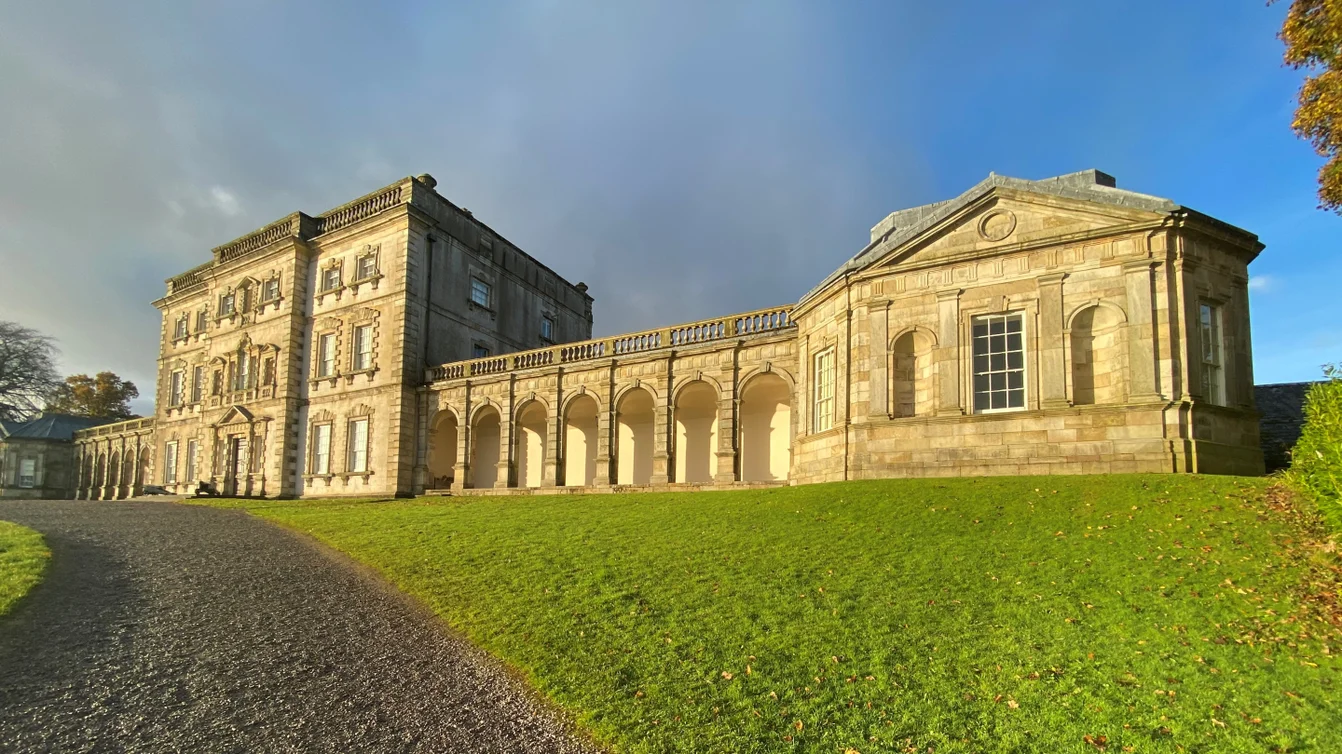
The part I found most compelling wasn't the grand house, but the Laundry Yard—the rooms where domestic servants washed, dyed, and ironed endlessly to keep their masters and themselves presentable.
It brought the sheer grind of that life into focus, highlighting what "working class" truly meant alongside the landed gentry: people who largely had no choice but to accept their station.
Moving on across the Irish Sea through Scotland to Northern England, we stayed in a converted shipping container. Surprisingly a warm, comfortable, it was a stark modern contrast to the 18th Century. There were lots of birds feeding just outside and I got to see a Nuthatch for the very first time, which was a thrill.
Then a visit to a monument on a much grander scale — Hadrian's Wall. This was begun in AD 122 by the military. Built over six years, it stretches 73 miles across Northern England as the north-west frontier of the Roman Empire.
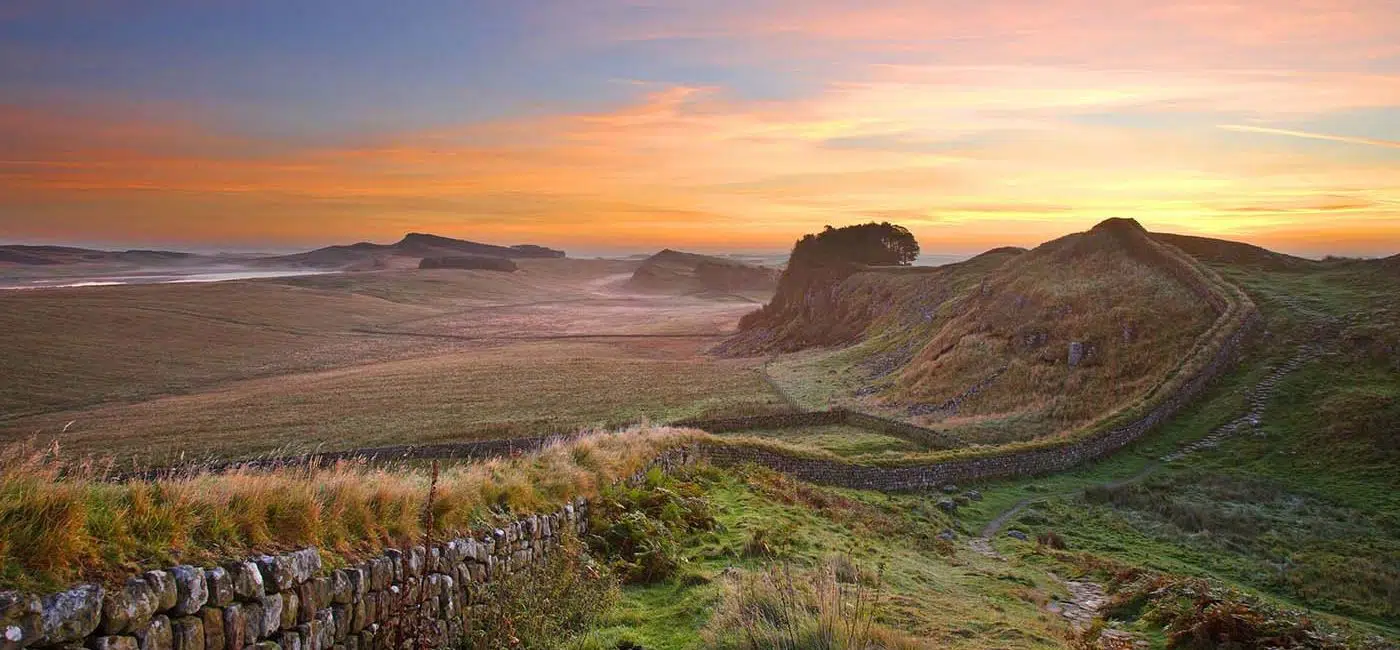
What I hadn't previously appreciated was the purpose of the wall. I'd always assumed it was built to keep out 'The Barbarians' — which it was. But it was also the means of monitoring and controlling movement. Then of course there was the tight economic grip and funds for Rome that came from taxes and customs duties.
And beyond that frontier lay native Brittonic tribes such as the Brigantes, Selgovae, and Votadini who refused incorporation into a predictable, taxable province.
Where Rome offered bureaucratic structure, these rebels brought guerrilla agility. Masters of bogs and forests, they struck under cover of darkness, hit supply lines, plundered, and melted back into the ether.
It's an amazing story when you think about it.
What I noticed was this recurring contrast. Those who yield to institutional systems and authority, and those unreasonable rebels who refuse to accept and bow to them.
Even today you can see this same pattern in organisations and global events. And it depends on which side of the dividing line you stand how you'll interpret their behaviour.
2/ Question
When someone disrupts the status quo in your organisation, do you instinctively see a troublemaker to manage — or a rebel with a point?
3/ Act
Start by identifying your frontier: Pick a current professional or personal standoff. Identify the "empire" (the established system, rules, or governing process) and the "rebel" (the outlier, competitor, or team member resisting it).
Which side of the wall do you naturally sit on?
Now cross the divide: Deliberately assume the mindset of the opposing side for five minutes: If you instinctively side with the empire think about that invisible 'tax' you're imposing on others that makes resistance a rational response?
If you instinctively side with the rebel think about the legitimate need for order, scale, or predictability that you might be putting at risk?
Find the unseen advantage: Think about the insight and leverage you've gained by looking through the opposite lens.
What are your takeaways?
That’s it until next week.
Clive
Each quarter we'll spend the best part of a day together. You bring what’s important for you to work on. The value comes from clarity, insight, and decisions made during the sessions.
Ask me more.
The Sunday Dispatches Newsletter
Join the newsletter to receive the latest updates in your inbox.